

Export Packaging Is the Last Step of Production Quality
For alloy wheels, production quality does not end after machining and finishing. The customer receives the product only after packing, handling, loading, sea freight and unloading. If packaging is weak, a well-made wheel can arrive with scratches, coating damage, carton collapse, mixed labels or missing accessories.
This is why export packaging should be treated as part of the manufacturing process. Before a shipment leaves, the supplier should verify order matching, surface condition, final inspection records, carton labels, inner protection, stacking method and container loading sequence.
| Pre-packing checkpoint | What should be verified | Customer value |
|---|---|---|
| Order matching | Size, width, PCD, center bore, offset, finish and quantity | Prevents mixed specifications in custom orders |
| Surface condition | Scratches, coating defects, dust marks and clear coat coverage | Protects customer presentation quality |
| Fitment data | Wheel model, bolt pattern, offset, load rating and application notes | Supports correct warehouse identification |
| Labeling | Carton mark, model code, destination, batch reference and quantity | Improves customs, storage and after-sales tracking |
| Protection method | Bag, face protector, rim guard, spacer and carton strength | Reduces damage during transport handling |
How Wheels Are Protected Inside the Carton
The wheel face, rim edge and inner barrel require different protection logic. The face is vulnerable to scratches. The rim edge can be damaged by compression or impact. The inner barrel may contact other packaging materials if spacing is poor. A reliable packing method normally combines plastic bagging, face protection, edge protection, internal spacing and a carton matched to wheel weight.
For machined-face or gloss finishes, the supplier should pay extra attention to abrasion during movement. Small surface defects can become very visible under showroom lighting or customer inspection after delivery.
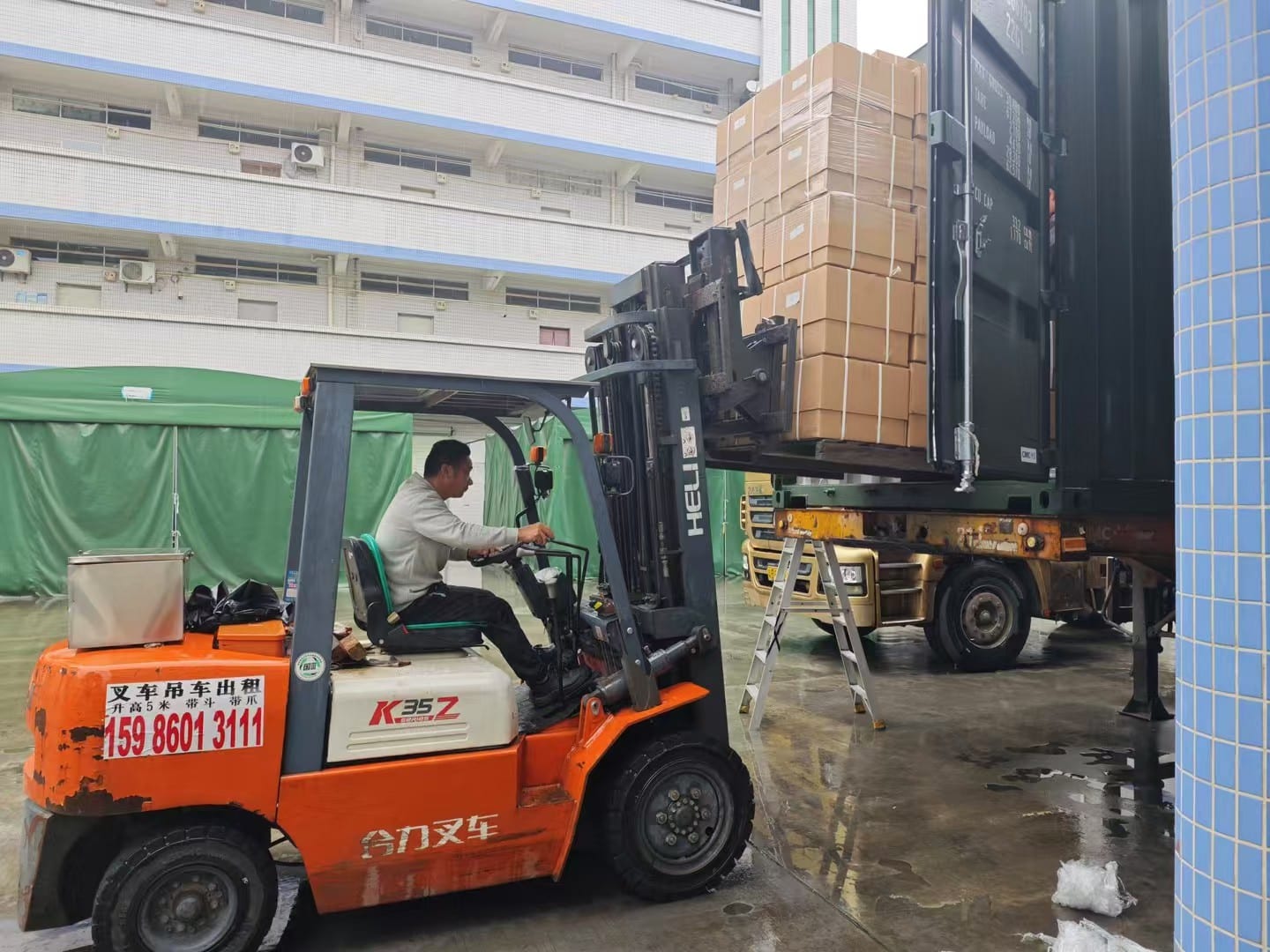
Container Loading: Damage Prevention and Order Logic
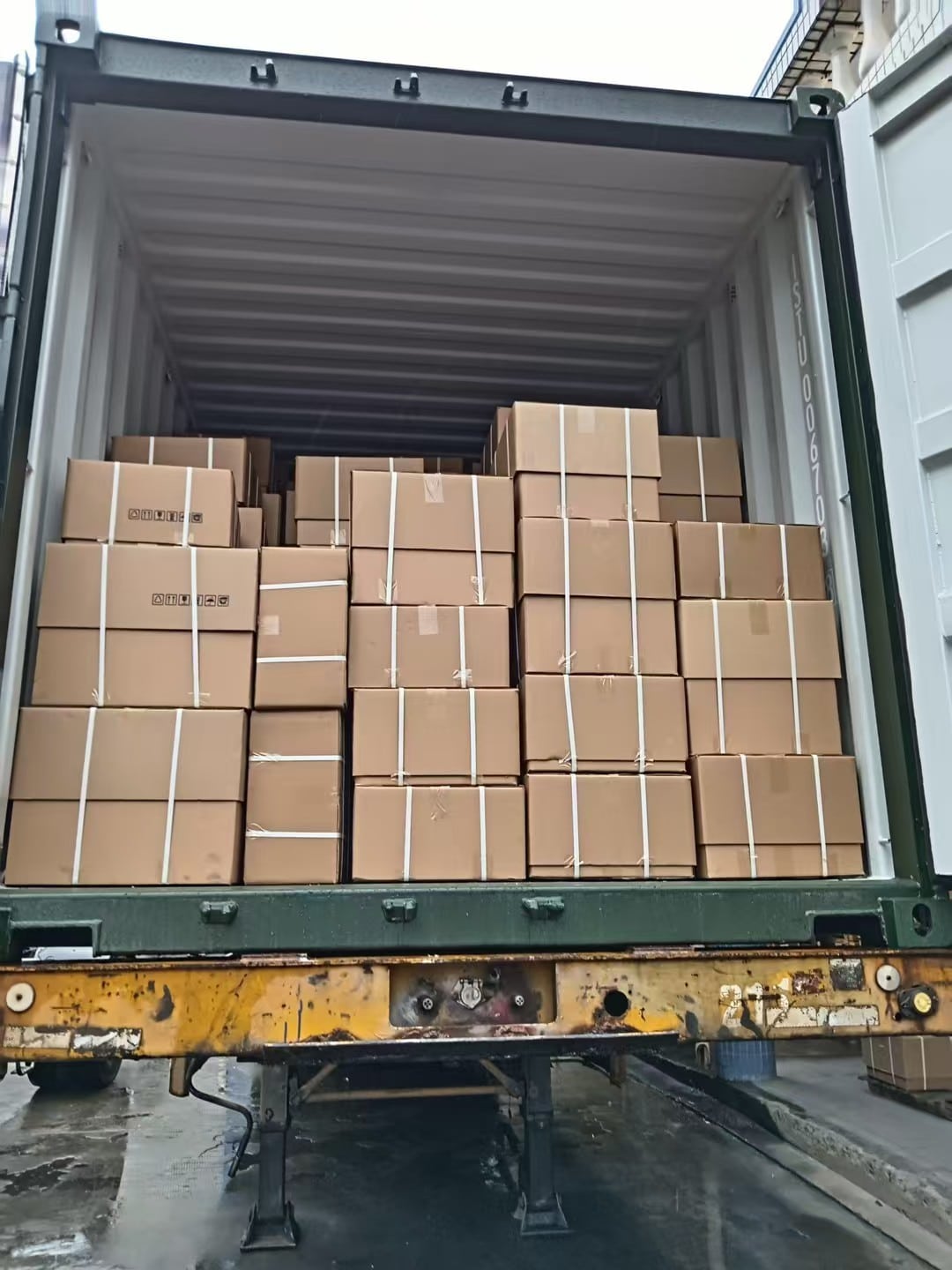
Container loading should balance space efficiency with damage prevention. Cartons must be stacked in a stable way, protected from excessive compression and loaded according to a clear order sequence. For mixed orders, carton marks and packing lists should allow the customer to identify size, finish and model quickly after arrival.
| Loading risk | Typical cause | Control method |
|---|---|---|
| Carton deformation | Excessive stacking pressure or weak carton grade | Define stacking limit and use suitable carton structure |
| Finish scratches | Wheel movement inside carton or insufficient face protection | Use inner spacers, face guards and stable packing material |
| Mixed shipment | Unclear label or random loading sequence | Use batch labels, packing list and loading photos |
| Moisture exposure | Long sea freight, poor storage or wet container floor | Inspect container condition and keep packing area dry |
| Unloading difficulty | No sequence plan for SKUs or destinations | Load by model, destination or customer unloading priority |
Documents and Photos Customers Should Request
Before shipment, customers can reduce risk by requesting practical evidence: final packing photos, carton label photos, loading photos, packing list, order specification confirmation and any required inspection record. These documents help both sides confirm that the wheels shipped match the approved order.
Customer Takeaway
Export packaging is not an afterthought. For custom alloy wheels, it protects the result of material control, forging, machining, finishing and inspection. A professional supplier should be able to explain how each carton is protected, labeled, stacked and loaded before the shipment leaves.
Why packaging is part of product quality
A wheel that passes dimensional and finish inspection can still arrive with damage if packaging is treated as an afterthought. Export handling adds vibration, impact, compression, humidity changes, forklift movement, pallet transfer and repeated loading cycles. The packaging system must therefore protect the finished surface while keeping the order identity readable from production floor to destination warehouse.
Packaging is also the final traceability interface. The carton label should agree with the packing list, approved drawing, wheel size, PCD, center bore, ET/offset, finish and quantity. If mixed sizes or finishes share a container, the layout must prevent cross-order mixing and make the loading sequence auditable.
| Risk | Packaging control | Customer-facing result |
|---|---|---|
| Face-to-face contact | Cardboard or molded separators and spoke protection | Fewer scratches, rub marks and chipped edges |
| Carton compression | Correct board grade, internal support and pallet pattern | Cartons remain stable during stacking and transport |
| Order mixing | Readable labels, batch separation and loading map | Correct wheel set reaches the correct customer |
| Forklift impact | Stable pallet footprint, wrap and no overhang | Lower risk of crushed cartons and bent protection |
How to design a loading sequence
Before loading, the supplier should confirm carton count, pallet count, gross weight, dimensions, container type and the loading plan. Heavy, stable units should be placed to avoid point loading on weaker cartons. Gaps should be controlled so cartons cannot move longitudinally, while restraint must not compress the wheel face or deform the packaging.
Photographs are useful evidence when they show the carton labels, pallet condition, separators, wrapping, container number and final seal. A photograph should support, not replace, the packing list and inspection record. If a customer later reports a shortage or finish concern, the shipment record should help identify whether the issue originated during packing, loading or transit.
Packaging tests and shipping risk
The International Safe Transit Association publishes test procedures for packaged products. The applicable procedure depends on product mass, package dimensions, transport mode and distribution environment. A wheel export carton is not automatically validated by passing a generic drop test; the test plan should represent the actual packaging configuration and the handling risks expected in the order.
For custom alloy wheels, the most useful validation questions are practical: Can the carton be lifted without shifting the separators? Does the wheel finish remain isolated from adjacent metal surfaces? Can the label be read after wrapping? Does the pallet remain square? Is the loading pattern repeatable? These questions connect laboratory packaging logic with daily export operations.
| Document or record | Minimum useful content | Why it matters |
|---|---|---|
| Packing list | Wheel specification, finish, quantity and carton numbers | Supports receiving and shortage investigation |
| Loading map | Container position, pallet sequence and mixed-order separation | Improves traceability after shipment |
| Final QC record | Visual, dimensional and finish release status | Confirms the shipment was released in a controlled state |
| Loading photographs | Protection, labels, restraint, seal and container number | Creates objective shipment evidence |
What buyers should specify before ordering
State whether the wheels require individual cartons, palletized cartons, edge guards, separators, desiccant, export marks or a particular container-loading pattern. Confirm the acceptable carton quantity and whether different PCD, CB, ET or finish combinations may share one container. Clear requirements reduce last-minute packaging substitutions and make the quotation comparable between suppliers.
Packaging evidence should match the quality claim
Export packaging is the final physical control in a long production chain. A wheel that has passed dimensional inspection and coating release can still be damaged by face-to-face contact, unstable pallet stacking, fork impact or moisture during transit. The packaging specification should therefore identify the separator material, edge protection, carton strength, pallet pattern and restraint method for the actual wheel size and finish.
A practical shipment file combines the packing list with carton photographs, pallet identification, container number, seal number and loading sequence. This does not replace a formal transport test, but it makes the shipment auditable and gives both supplier and buyer a common record when a shortage, mixed specification or surface mark is reported. For repeat orders, this evidence also helps confirm that the approved packing method has not drifted.
| Evidence area | Control detail | Customer value |
|---|---|---|
| Surface protection | Separators, sleeves and face clearance | Reduces coating and cosmetic damage |
| Load stability | Pallet pattern, wrap and restraint | Limits movement during handling |
| Identification | Carton range, finish and specification | Prevents mixed-order receiving errors |
| Shipment file | Packing list, photos, seal and weight | Supports traceability after dispatch |
References
The technical discussion above is informed by the two supplied research papers and the following public standards and technical sources. Parameter ranges cited from the supplied spinning-forming study are reported study conditions, not universal production limits.