
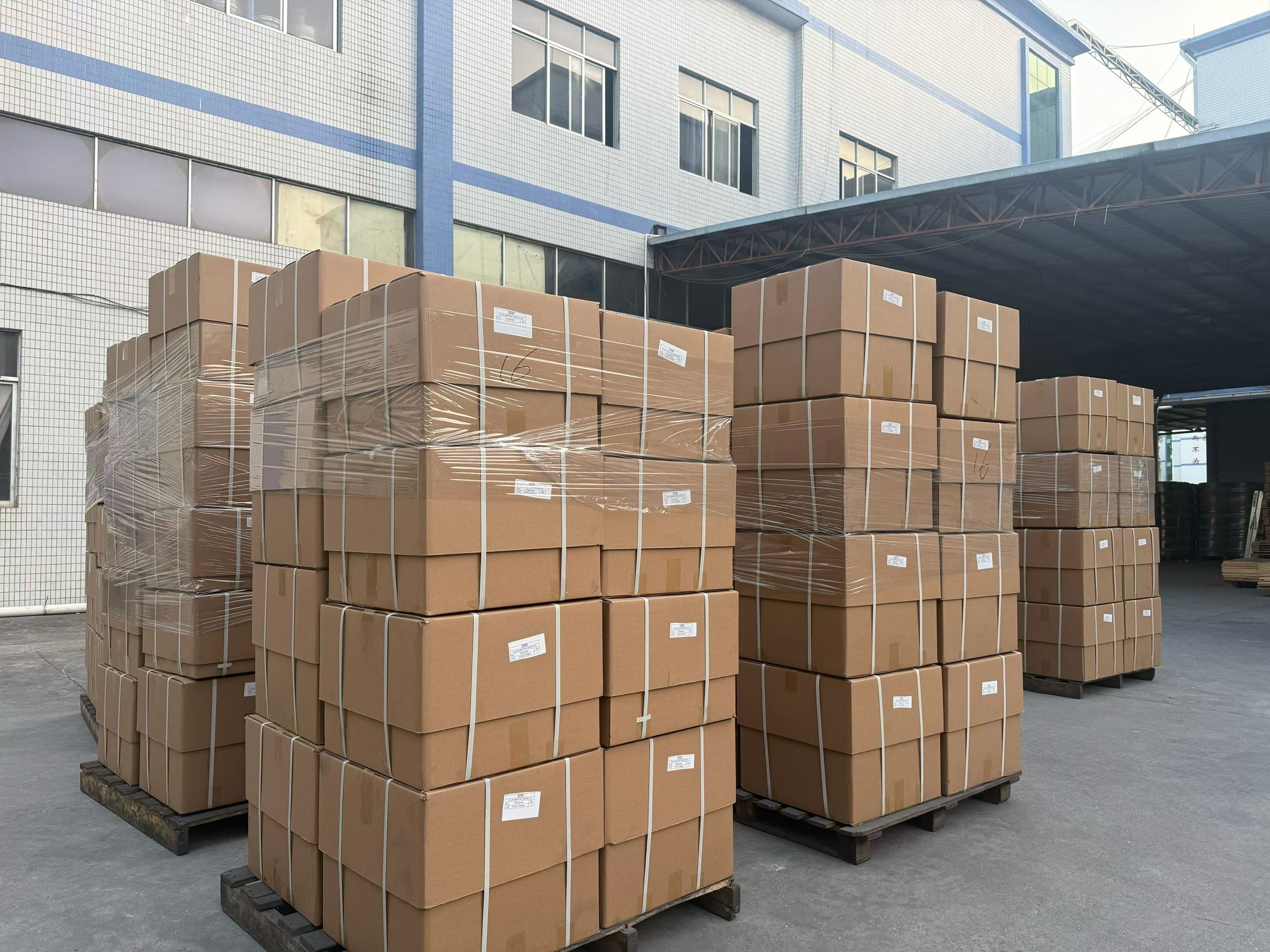
Why packing is part of product quality
A wheel that passes machining and inspection can still arrive with scuffs, edge marks or mixed-order problems if the packing route is weak. Export packing is therefore not a warehouse afterthought. It is the final control stage that protects all of the quality built into the wheel before dispatch.
The carton plan, pallet pattern, separator material and container load sequence should all be based on the wheel diameter, finish sensitivity and order structure. If the shipment contains mixed widths, staggered fitments or different surface codes, the cartons must be separated in a way that is obvious to the warehouse team and to the customer who receives them.
A strong export process also protects the information attached to the shipment. Labels, packing lists and photo records help the customer understand exactly what left the factory and in what condition. This is especially important for repeat orders, where the customer will compare the new shipment with the previous one.
Why export protection begins before the carton is closed
Many packing problems are created long before the container door is shut. If a wheel is inserted into a weak carton, stacked without enough support or mixed with the wrong order group, the shipment is already vulnerable. Export protection therefore begins with the packing design, not the final truck movement.
A supplier with mature packing control knows that wheel finish, carton strength and pallet stability all belong to the same conversation. A polished face needs different handling from a simple rough stock item. A deep lip needs different support from a flat-faced design. When the packer understands those differences, the shipment is far less likely to arrive with damage that could have been avoided on the floor.
The container itself also needs a plan. Heavy cartons should be placed where they stabilize the load instead of crushing the weak points. Void spaces should be managed so cartons do not slide during vibration. The final shipment is therefore the result of several small choices made before the load ever leaves the warehouse.
| Export risk | What the factory should control | Customer consequence if weak |
|---|---|---|
| Finish damage | Sleeves, separators and careful handling | Marks, scuffs or warranty claims |
| Carton collapse | Carton strength and stack height | Boxes deform before reaching destination |
| Mixed order | Label discipline and packing-list checks | Wrong wheel or wrong finish arrives |
| Load shift | Pallet stability and void control | Damage during road or sea transport |
Planning the load before the first carton moves
A container should not be treated as an empty box that is filled as fast as possible. The loading plan should already exist before the first carton leaves the staging area. Good export teams decide where the heavy cartons will sit, which side the labels should face, how the rows will be blocked and where the final evidence photos will be taken.
That approach turns packing into a process with checkpoints. The team can confirm counts, compare label numbers, verify the pallet stability and then document the completed load before the container is sealed. If something goes wrong later, the factory has a record of what was shipped and in what arrangement.
The same discipline also reduces picking errors. A carton with a clear wheel label is easier to match to the packing list than one with vague handwriting or an unclear size code. When the carton system is clean, the receiving team can trust the shipment faster and ask fewer questions after delivery.
Damage patterns that usually point to weak packing
A wheel that arrives with scuff marks near the lip often points to contact inside the carton. A carton that collapses at the bottom often points to poor stacking or weak corrugated material. A shipment with unclear or repeated labels often points to a packing room that is working from memory rather than from a controlled list. Those patterns matter because they reveal the stage where the process is failing.
The best export teams study those patterns and adjust the load method before the next order ships. They may change separator thickness, alter the pallet pattern, improve the label format or add a better final check. In this way, packing becomes a feedback loop rather than a one-time job.
Checklist for packing and loading
| Checkpoint | Method | Purpose |
|---|---|---|
| Packing list | Match quantity, size and finish | Confirms the shipment matches the contract |
| Carton identity | Readable label on every box | Prevents mix-up at receiving |
| Pallet pattern | Stable base and even stack | Reduces load shift in transit |
| Photo record | Take pictures before sealing | Creates evidence if a claim appears later |
Where shipping damage usually begins
Most export problems do not begin on the truck or at the port. They begin earlier, when the wheel is packed too tightly, the carton is too weak, the load is not stabilized or the label is unclear. That is why the best factories treat the warehouse as part of quality control, not as a separate logistics island.
For alloy wheels, the shipment must survive vibration, stacking pressure and repeated handling. If the factory respects those risks at the packing stage, the wheel has a much better chance of reaching the customer exactly as it left the line. That is the kind of discipline buyers notice even when no claim ever occurs.
Export quality is therefore visible not only in the wheel itself but in the way the wheel is protected. A customer who sees a clear loading record, a stable pallet and a clean packing list can usually trust the supplier more than one who only shows a shipping invoice.
Practical buyer questions
- How are cartons tested for strength before shipping?
- What keeps mixed wheel sizes from being packed together by mistake?
- How are labels checked against the packing list before the container is sealed?
- What photo evidence is stored for each export batch?
- How is pallet stability confirmed during loading?
Buyer checklist
- Confirm that each carton label matches the order and wheel spec.
- Ask for the pallet layout and the container loading sequence.
- Request photo evidence of the packed load before sealing.
- Check whether separators and sleeves are used for finish protection.
- Verify that the packing list matches the physical count and markings.