
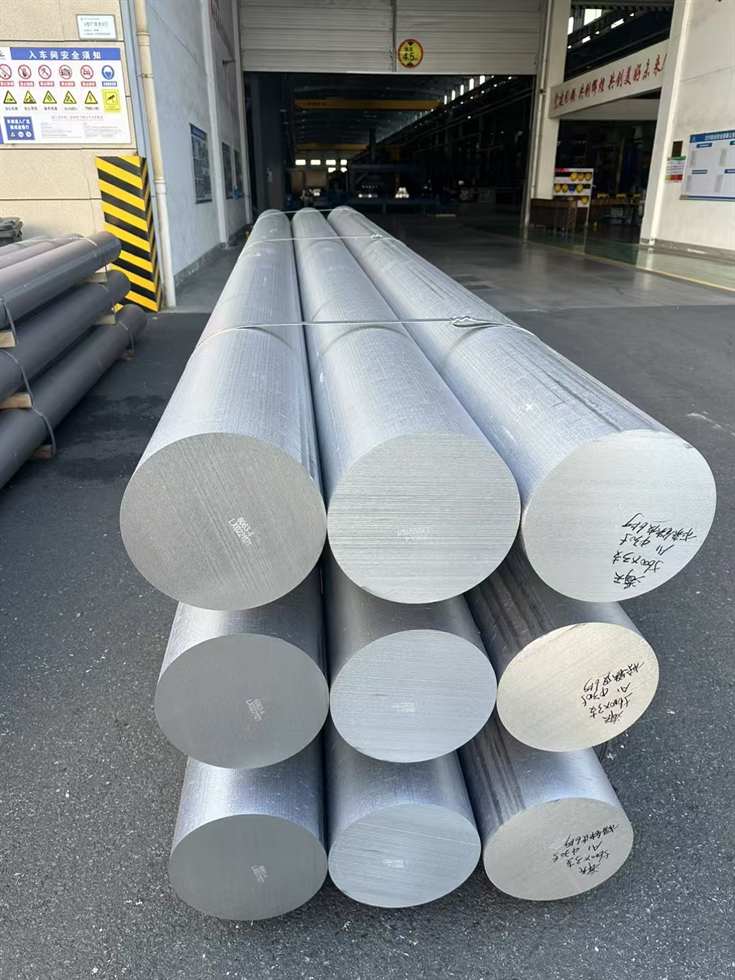
Why billet traceability matters before a wheel is forged
A forged alloy wheel starts long before the visible spoke design. It starts with aluminum billet selection, batch verification and material traceability. For buyers, this stage matters because the billet determines how consistently the wheel can respond to forging pressure, T6 heat treatment, CNC machining and long-term road loading.
When a supplier can identify the alloy grade, billet batch, incoming inspection record and production routing, the wheel is easier to control from the first cut to the finished product. This is especially important for custom forged wheels where load rating, offset, center bore and brake clearance may change from vehicle to vehicle.
| Material factor | Production control | Why buyers should care |
|---|---|---|
| Alloy grade | Check material certificate and batch marking | Supports predictable strength, corrosion resistance and machining behavior |
| Billet surface | Inspect oxidation, scratches, cracks and contamination | Reduces risk of defects being pressed into the forged blank |
| Batch separation | Keep billets, blanks and work orders linked | Helps prevent mixed specifications during custom wheel production |
| Pre-forging condition | Control cutting length and heating preparation | Improves forging consistency and material flow |
From billet to forged blank: what changes inside the material
Forging is not simply pressing aluminum into a shape. Under controlled pressure, the billet is formed into a denser blank with a more favorable grain flow than many low-cost casting methods. Good forging practice aims to reduce porosity, improve mechanical continuity and create a blank that can be machined without unstable vibration or unexpected tool marks.
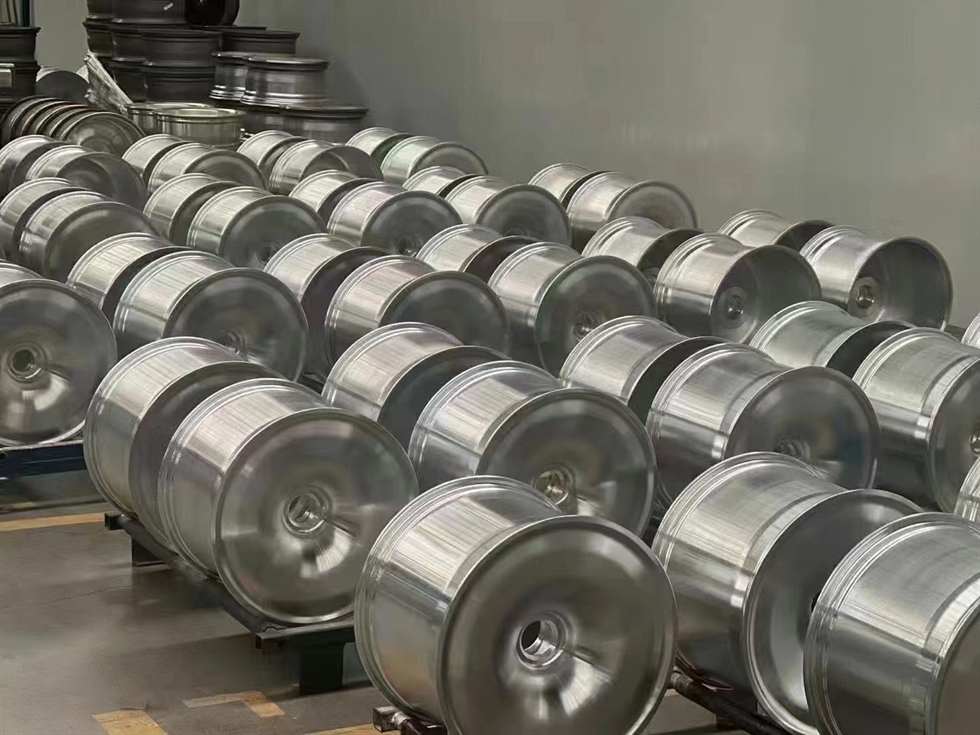
After the blank is formed, it should still be treated as a controlled workpiece, not a finished wheel. The blank must move through heat treatment, rough turning, CNC profiling and dimensional inspection while remaining connected to the work order. This is how a supplier keeps wheel width, diameter, PCD, center bore and offset aligned with the target vehicle data.
| Stage | Technical checkpoint | Customer value |
|---|---|---|
| Billet receiving | Grade, diameter, batch and surface inspection | Confirms the production starts from suitable material |
| Cutting and heating | Consistent blank weight and preheating control | Improves stability before forging pressure is applied |
| Forging | Die alignment, pressure and material flow | Builds the wheel structure before machining |
| Post-forging review | Blank shape, flash condition and visible defects | Catches issues before CNC time is invested |
How customers can evaluate a supplier’s material control
A serious forged wheel supplier should be able to explain more than wheel style. Customers should ask how billet lots are recorded, how blanks are separated by order, and how the supplier confirms that the final wheel specification matches the original vehicle requirement. This is not paperwork for its own sake; it is the chain that connects raw material to load rating, runout control and final fitment.
Useful questions include: What alloy is used for the target wheel? How is the billet batch identified? Are forged blanks inspected before CNC machining? How are PCD, CB and ET data linked to the work order? A supplier that answers these questions clearly is usually operating with better process discipline.
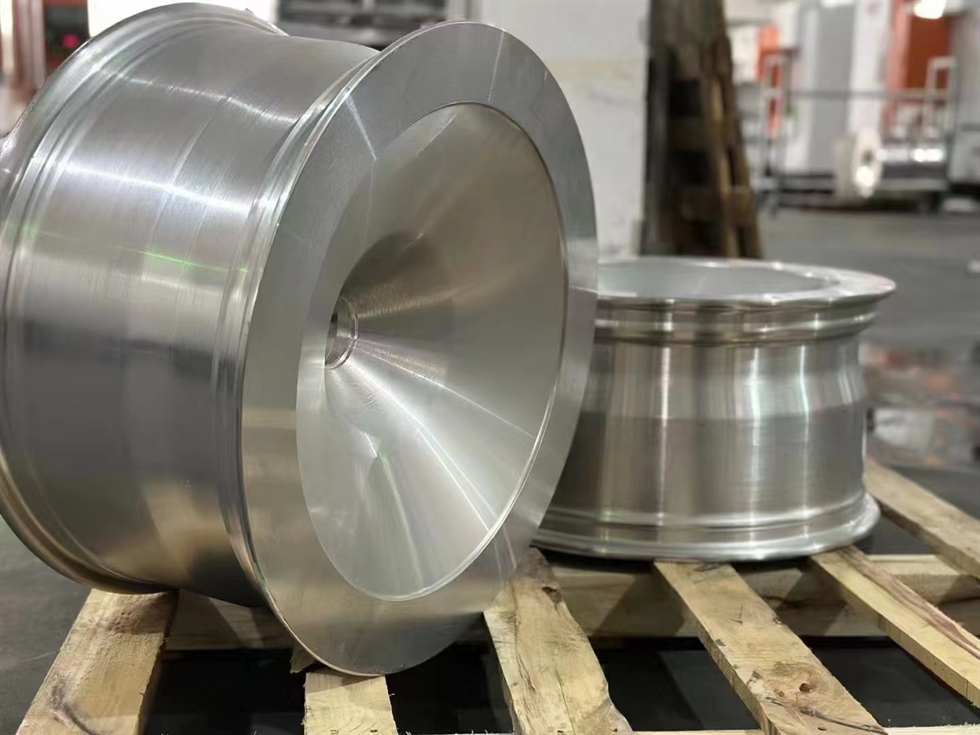
Key takeaway for buyers
Billet traceability is one of the earliest signs of production quality. It helps the manufacturer control material structure, supports consistent CNC machining, and gives buyers a clearer basis for evaluating forged wheel reliability beyond appearance.
Billet identity is the first production datum
Aluminum billet traceability is not clerical work. It is the material datum from which later process decisions are made. The supplier should record alloy designation, heat or cast batch, billet dimensions, surface condition and disposition after inspection. The supplied research discusses A356-type compositions and explains why silicon, magnesium, iron and refinement practice influence fluidity, soundness and mechanical response. Those values must be confirmed against the approved material standard rather than copied as a universal recipe.
A billet can be chemically correct and still be unsuitable if it carries cracks, oxide entrapment, excessive segregation or an unknown thermal history. Visual inspection, batch separation and controlled storage reduce the chance that the wrong blank enters forging or spinning. When material identity is linked to the wheel work order, the manufacturer can investigate a hardness shift, machining behavior or fatigue result without relying on memory.
A traceability system should connect incoming material, blank number, forming route, heat-treatment record, CNC program, inspection report and carton label. For buyers, this chain is valuable because it turns a general claim about aluminum into evidence that the specific wheels in the shipment came from a controlled material batch.
| Control area | What is controlled | Why it matters |
|---|---|---|
| Material checkpoint | Alloy grade and batch | Certificate, marking and receiving record |
| Blank checkpoint | Diameter, height and surface | Visual inspection and dimensional record |
| Process checkpoint | Forming and heat-treatment history | Batch traveler and furnace record |
| Release checkpoint | Fitment and wheel performance | Inspection report linked to wheel ID |
How this improves purchasing confidence
A professional supplier should be able to explain the control plan in terms that match the wheel specification: alloy, process route, dimensions, load rating, finish and shipment. Customers do not need a generic promise; they need to know which characteristic is measured, by which method, at what stage and how the result is retained. That information makes quotations easier to compare and gives both sides a clearer basis for approving samples and handling future revisions.
For custom programs, connect the approved drawing to the production order, inspection report and packing list. A change in width, offset, spoke window, finish or material route should trigger a review of forming allowance, CNC program, balance, fatigue evidence and packaging. This is the practical meaning of process capability: the same requirement is carried consistently from engineering to delivery.
Material evidence a buyer can request
A useful material package contains the alloy designation, heat or cast number, billet dimensions, receiving date, inspection status and the work-order reference. If the supplier uses several alloys or billet sources, the separation rule should be visible on the shop floor. The same identifier should remain with the blank after forming, heat treatment and machining. This prevents a strong laboratory result from being incorrectly applied to a different production batch.
The relationship between chemistry and wheel performance is not one-dimensional. Silicon can improve castability, magnesium contributes to age-hardening response, and iron or oxide-related inclusions can influence ductility and fatigue behavior. The exact limits belong to the approved material specification. The production question is whether the supplier can demonstrate that incoming material, process route and final inspection are connected rather than treated as separate documents.
| Evidence area | Control detail | Customer value |
|---|---|---|
| Material record | Alloy grade, heat/cast number and certificate | Confirms identity before forming |
| Incoming check | Dimensions, surface and segregation risk | Prevents unsuitable billets entering production |
| Batch link | Blank mark and work-order reference | Keeps material history attached to the wheel |
| Release evidence | Hardness, dimensions and inspection status | Supports customer and complaint review |
References
The technical discussion above is informed by the two supplied research papers and the following public standards and technical sources. Parameter ranges cited from the supplied spinning-forming study are reported study conditions, not universal production limits.